What to Sell at a Farmers Market: High-Margin Items and How to Pick Yours

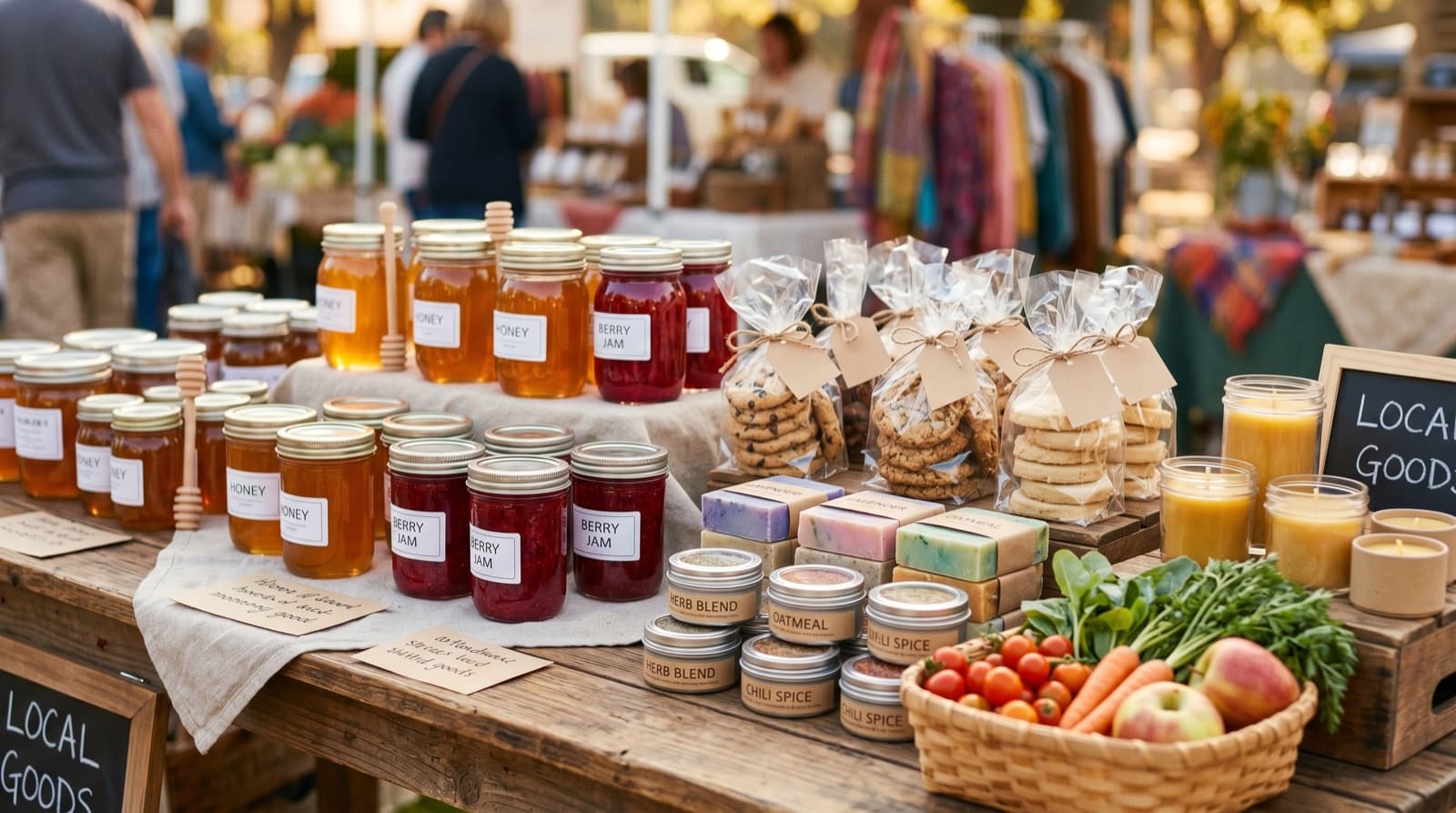
If you're deciding what to sell at a farmers market, the lists online can feel both endless and useless. Everything is "profitable." Everything is a "best seller." None of it tells you what will work for you.
So let's split the question in two. First, which categories tend to sell well and earn a fair margin. Second, and more useful, how to figure out which of those are right for your booth. The first part is research. The second part is the one that actually grows your sales.
A quick reality check: there are around 8,771 farmers markets in the US, and shoppers come for a mix of fresh food and small-batch goods. That gives makers and growers plenty of room. Here's how to claim your slice of it. (If you're still working out the logistics of getting in, start with how to sell at a farmers market.)
What Are the Best Things to Sell at a Farmers Market?
The best things to sell at a farmers market are value-added goods: baked items, jams and preserves, honey, spice blends, and handmade products like soap and candles. These offer higher margins than raw produce, last longer than a single day, and travel well. Fresh produce still draws traffic, but earns less per sale.
Here's how the popular categories compare:
| Category | Why it sells | Margin |
|---|---|---|
| Baked goods | Impulse buys with reliable sell-through | High |
| Honey | Local, gift-worthy, long shelf life | High |
| Jams and preserves | Cheap inputs, premium pricing, won't spoil | High |
| Spice blends | Tiny material cost, big markup | Very high |
| Soap and candles | Strong gift appeal, no expiry | High |
| Fresh produce | Draws the crowd, but earns less per sale | Lower |
Value-added simply means you've turned a raw ingredient into something finished. The jump in margin is real, because value-added goods sell well beyond the season and don't wilt if they don't sell. Baked goods like cookies and brownies hit the sweet spot of impulse pricing and reliable sell-through, while handmade soap and candles often become top sellers, especially as gifts.
What Sells Best for Makers and Crafters?
If you make things rather than grow them, you're in good company at most markets. Handmade soap, candles, jewelry, and ceramics travel well, don't spoil, and carry strong gift appeal. They're easy to display and easy to restock between events.
The advantage of non-food goods is patience. They don't expire, so an unsold candle is just inventory for next week, not a loss. That changes how you can pack and plan. If you also work indoor shows, our guide to the best-selling items at craft fairs breaks down what moves in that crowd.
Your craft also shapes your booth. We've put together starting points by category:
- Jewelry makers: display and pricing for small, high-value pieces.
- Candle and soap makers: scent, signage, and restocking tips.
- Ceramic artists: handling weight, breakage, and price tiers.
How Do You Sell Food at a Farmers Market?
To sell food at a farmers market, check your state's cottage food law, which sets what you can make at home without a commercial kitchen. Most states allow shelf-stable items like baked goods, jams, and candy. You'll usually also need a sales tax permit and, often, liability insurance required by the market.
The line that matters is "potentially hazardous." Here's the rough split:
| Usually allowed (cottage food) | Usually needs a licensed kitchen |
|---|---|
| Cookies, breads, bars | Custard or cream pies |
| Jams, jellies, preserves | Cheese and dairy |
| Candy and confections | Anything needing refrigeration |
| Granola, dry mixes | Canned low-acid vegetables |
Cottage food laws let you sell shelf-stable goods from a home kitchen, but rules shift by state and even county, so this is worth a direct check. Many states require a sales tax permit before you sell anything taxable. Our pillar guide on how to sell at a farmers market walks through permits, insurance, and the application process in full.
How to Sell Baked Goods at a Farmers Market
Baked goods are one of the friendliest ways to start, because most states' cottage food laws cover cookies, breads, and bars without a commercial kitchen. They're also pure impulse buys, which is exactly what you want for foot traffic.
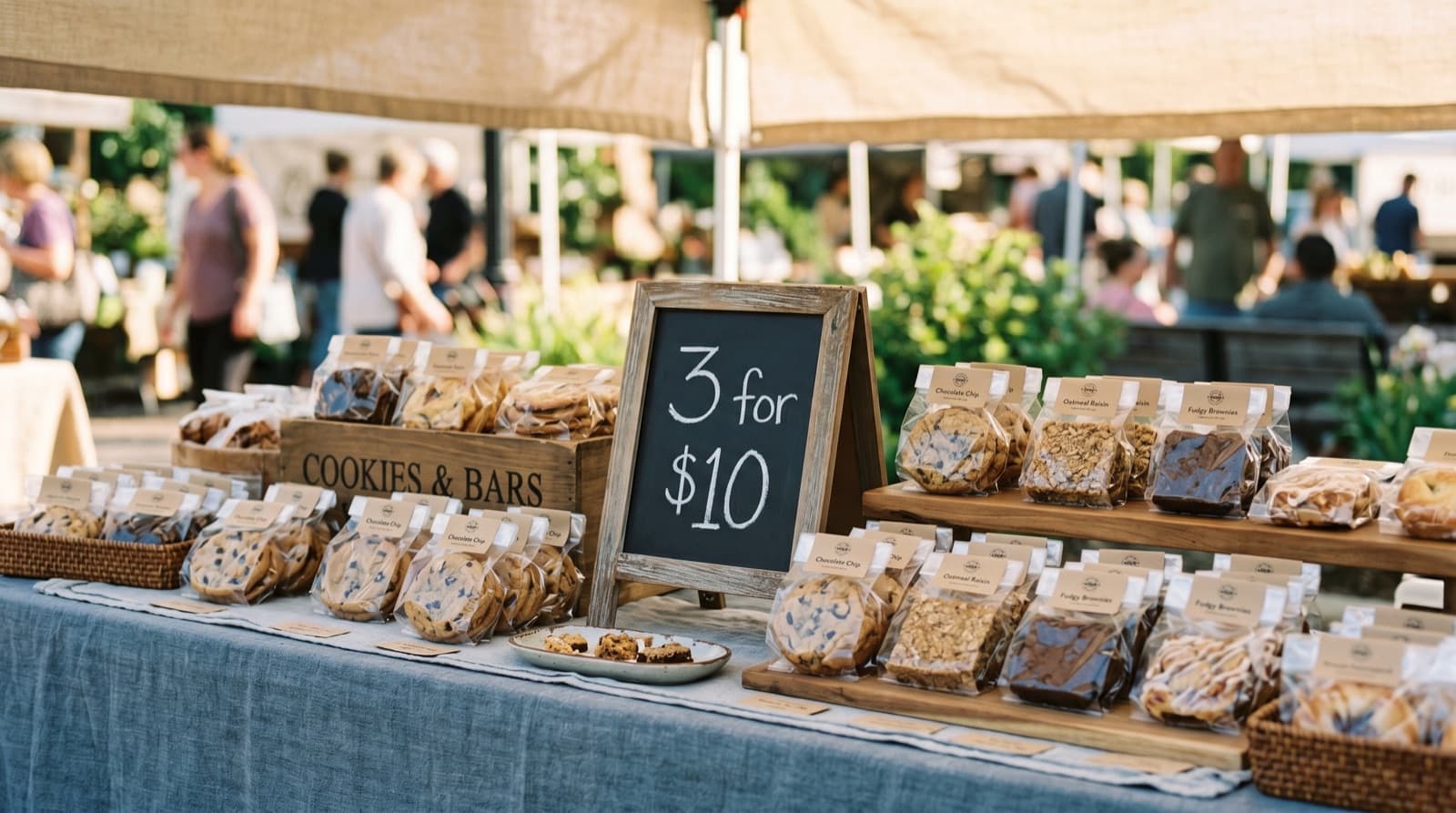
Price for the impulse. Single cookies, bars, and small bags move fast at low price points, while a "3 for $10" bundle nudges the total up without much resistance.
Packaging earns its keep here. Clear bags show the product, a simple label builds trust, and an ingredient list keeps you compliant and reassures buyers. Bring a little more than you think for your first few markets, then let the numbers tell you the right batch size.
One more tip: bake for the morning rush. Markets are busiest in the first couple of hours, so put your best-looking items front and center early. Day-old stock rarely moves at full price, which is another reason to track your real sell-through and bake to it, rather than guessing high and eating the leftovers.
Which Farmers Market Items Have the Best Profit Margins?
The highest-margin farmers market items are spice blends, jams, honey, and baked goods. Spice blends can carry a 4x to 10x markup, and jams stay profitable thanks to cheap ingredients and premium market pricing. Margin matters more than headline sales, because it's what you actually keep.
Volume can fool you. A table that's busy all morning can still lose money if the margins are thin and the products take forever to make.
This is where the math pays off. Our free profit calculator shows your real per-product margin once you factor in materials and time, so you can spot the items that look good but barely break even. If you also do indoor shows, our guide to pricing for your first craft fair covers setting prices that hold up.
How Do You Know What Will Actually Sell for You?
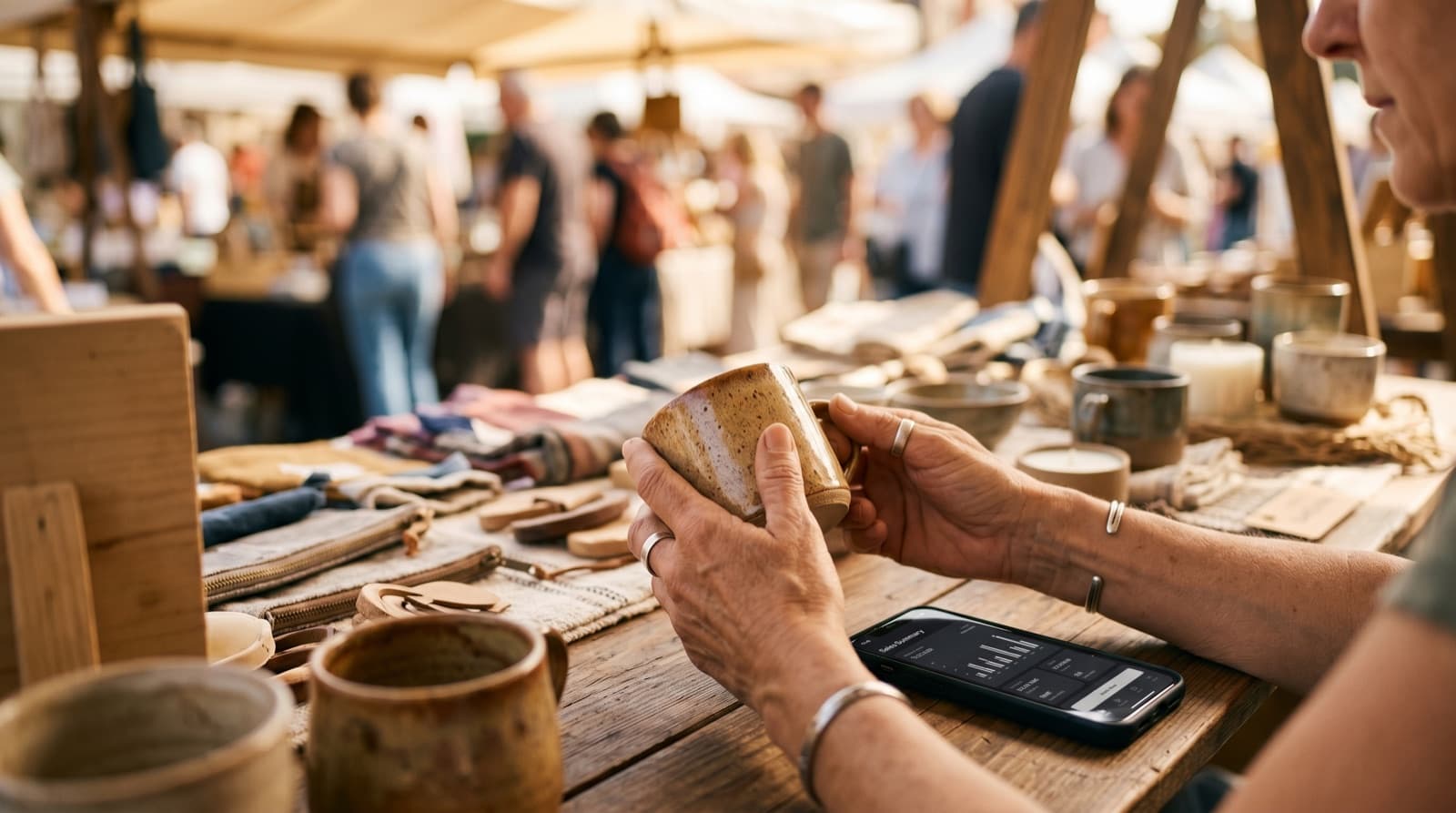
You find out what sells for you by tracking it, not by guessing from a list. Record how many of each item you bring and how many sell, then build your next table around the proven winners. Your market, your prices, and your crowd are specific to you, so your data beats any general ranking.
A best-seller list is a starting point, not an answer. The candle that sells out at one market sits untouched at another. Only your own numbers know the difference.
When we looked at the data for one of our own products, a 3D-printed Pokemon deck box, it was clear: slow to make, weak to sell. We'd been bringing it out of habit. Dropping it freed up time and table space, and we didn't miss a dollar. A quick post-event debrief makes that kind of call easy, and over time you can plan production around what your sales data shows. That's the whole point of MyEventPrep.
Wrapping Up
What to sell at a farmers market comes down to two layers. Start with categories that tend to sell and hold a margin: baked goods, jams, honey, spice blends, soap, and candles. Then let your own sales data narrow the list to the items that genuinely work for your booth.
Bring a sensible spread, write down what moves, and adjust. The list that matters most isn't online. It's the one your past markets are quietly writing for you.
Ready to find your real winners? Sign up free at MyEventPrep and let your sales data show you what's worth making and bringing.
Frequently Asked Questions
What is the most profitable thing to sell at a farmers market?
Value-added goods tend to be the most profitable, with spice blends, jams, honey, and baked goods leading on margin. Spice blends can carry a 4x to 10x markup, and jams stay profitable thanks to low ingredient costs and premium pricing. Margin matters more than total sales, since it's what you keep after materials and time.
What sells best at a farmers market?
Fresh produce draws the most foot traffic, but value-added items like baked goods, honey, jam, soap, and candles usually earn more per sale and don't spoil if unsold. A mix often works well: produce or a low-price impulse item pulls people in, and higher-margin goods carry the profit.
Can I sell homemade food at a farmers market?
Usually yes, if it fits your state's cottage food law, which generally allows shelf-stable items like baked goods, jams, and candy made at home. Foods that need refrigeration, like custard or cheese, typically require a licensed kitchen. You'll also usually need a sales tax permit, so check your state and county rules first.
What should a beginner sell at a farmers market?
Beginners do well with low-cost, high-appeal impulse items like baked goods, jams, soap, or candles, which are easy to make in batches and easy to price. Start with a small, focused range rather than everything at once. Track what sells, then expand toward your proven winners.
How do I know how much product to bring?
For your first few markets, bring a balanced spread and record how many of each item you bring and sell. That sell-through data shows your real demand. After a few events, you can pack toward your winners and avoid hauling product that doesn't move.