One week until your craft fair and not enough time? What to cut first


It's 7 days before your event, your list is too long, and the math isn't working. Welcome to last minute craft fair prep, where most makers either pull a few rough nights or quietly panic. Neither one helps. The good news is that you don't need more hours. You need a shorter list, ranked the right way.
Here's the trap. When time runs out, we tend to finish whatever is closest to done, or whatever feels exciting that week. That's how a slow-selling experiment eats the 6 hours you needed for your bestseller. The fix is to decide based on what sells, not on what you wish you could finish.
This post walks through a simple triage: how to rank your products, what to make first, what to cut without regret, and how to keep the week from running you into the ground. No hustle, no all-nighters required. Just a calmer way to spend the time you actually have.
What does last minute craft fair prep actually mean?
Last minute craft fair prep means using your final week to protect your best sellers, not to finish everything on your list. With limited time, you make the items most likely to sell, pack the proven ones, and set aside anything unproven or half-done. It's triage, not a sprint.
The week before a show is when fresh "great ideas" show up uninvited. Made Urban points out that these late ideas are often half-baked and end up derailing your progress. The advice is plain: rate each product and task as high or low priority, and let your known best sellers win the high slots.
So the real skill here isn't making faster. It's choosing. A short, ranked list beats a long, hopeful one every time you're short on hours.
Rank by what sells, not by what's almost done
The hardest part of triage is emotional, not practical. We get attached to the item we spent all spring designing, even when it barely moves at the table. That attachment is expensive when the clock is ticking.
This is where a clear ranking signal helps. Two products can feel equally worth your time, but the sales data usually disagrees. One sells out by noon. One comes home in the bin, show after show. When you only have a week, you want to spend it on the first kind.
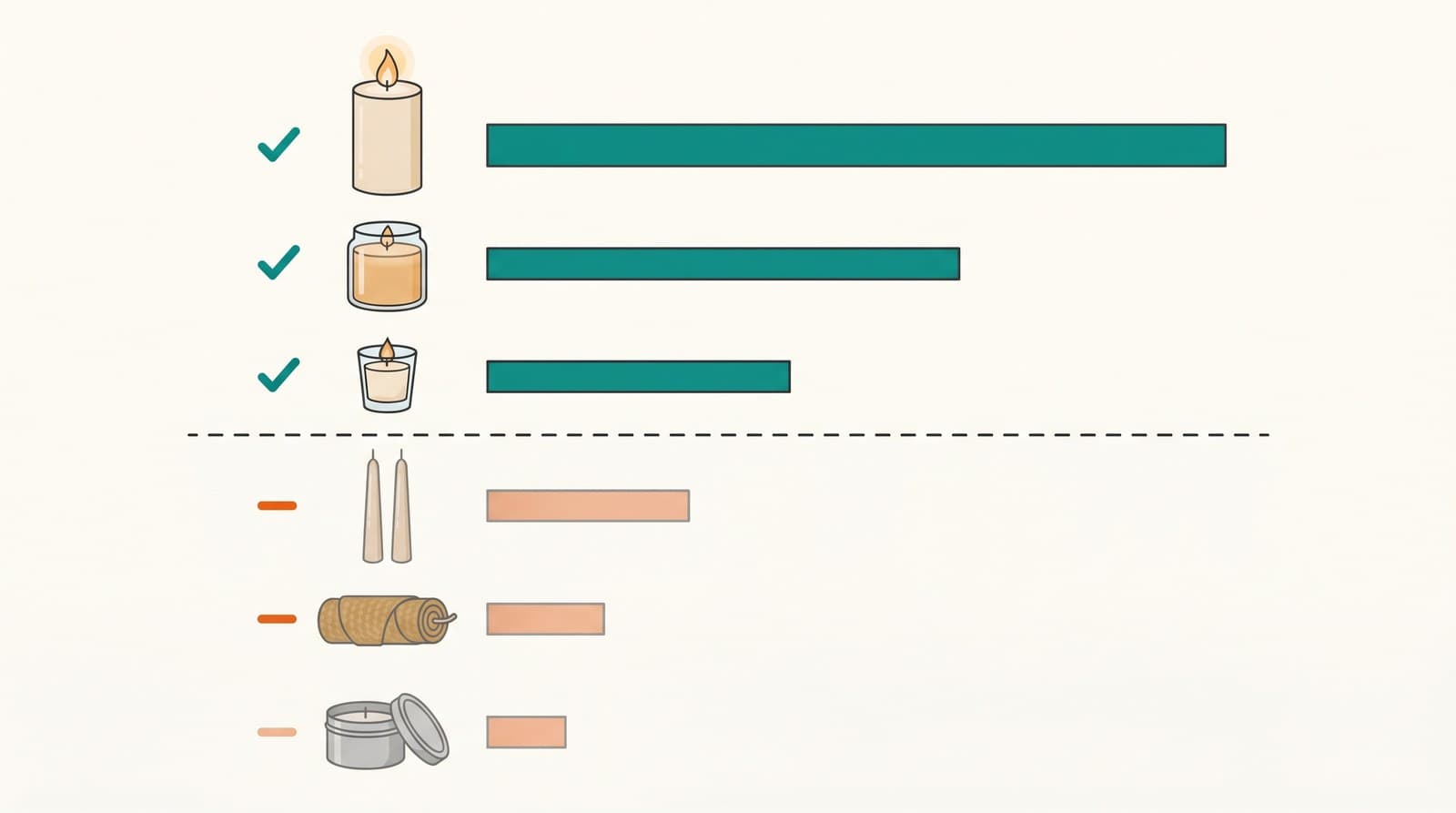
A quick way to sort your catalog:
- Proven sellers. Items that consistently sell well at your past events. These get your hours first, full stop.
- Steady middles. They sell fine, just not fast. Make these only after the proven sellers are stocked.
- Hopefuls and experiments. New or unproven items. Lovely, but not this week's job.
If you've been logging what sold at past events, this ranking is fast. If you haven't, our guide on how to track craft fair performance covers the handful of numbers worth watching so next time the list ranks itself.
What is sell-through and why should it decide your week?
Sell-through rate is the percentage of stock you sold compared to how much you brought. The formula is units sold divided by units brought, times 100. A high rate means strong demand and little dead weight. With one week left, your highest sell-through products are exactly the ones worth your remaining hours.
Retailers lean on this number because it predicts demand and prevents overstock. The same logic works at a craft table. If you brought 20 candles and sold 18, that's a 90% sell-through. If you brought 20 prints and sold 4, that's 20%. Guess which one deserves your last free evening.
Benchmarks vary by category, but a consistent sell-through of 75% or higher is considered strong in retail. You don't need to hit a perfect number. You just need to know which of your products are near the top and which sit near the bottom. The top ones get made. The bottom ones can wait.
If your sales live in Square, you can pull this without a spreadsheet. Drop a CSV into our free Square insights tool and it sorts your items by how they actually performed.
What to make first when you only have one week
With 7 days left, make your proven best sellers first, then your fastest small items, then stop. Skip new designs entirely. Most craft fair sales are impulse buys under $50, so a deep stock of reliable, low-price items usually beats a thin spread of everything you make.
The data backs the impulse angle. Items under about $50 account for roughly 78% of craft fair transactions, and small items in the $5 to $25 range tend to sell the fastest. So your week has a natural order:
- Restock your top 3 sellers. Whatever empties first at every show. Make these until you're comfortable, not just until you're tired.
- Batch your quick small items. Low-cost add-ons near the register catch the last-second "sure, I'll grab one too." Made Urban notes these grab-and-go items lift the total sale.
- Round out the steady middles. Only if time remains after the first two.
Notice what's missing. The new line you sketched last week isn't on here. It can debut at the next show, fully ready, instead of rushed and half-stocked at this one. For help sizing each batch, see our breakdown of how many of each product to make.
What to cut first (and why it won't hurt sales)
Cut three things first: brand-new designs, slow sellers, and anything that takes a long time to make for a small return. None of these move the needle in a single weekend. Cutting them frees your best hours for the items customers actually reach for, which is where your sales really come from.
Here's a simple way to see the trade-off:
| Keep this week | Cut this week |
|---|---|
| Top sellers that empty fast | Brand-new, untested designs |
| Quick, low-cost small items | Slow movers that return in the bin |
| Steady middles (if time allows) | High-effort, low-return products |
That last row is the quiet budget-killer. We've all kept a product on the table out of pride long after the numbers stopped supporting it. A long build time paired with a low sell-through is the clearest "cut it" signal there is.
Cutting isn't quitting. The slow item still exists; it's just not getting your scarce week. You can always revisit it when you're not racing a deadline. If you want a fuller view of what tends to fly off tables, our roundup of best-selling craft fair items is a good gut check against your own list.
How a prep sheet ranks the list for you
A prep sheet ranks your products by past sell-through so the "make first, cut first" order is decided before you pick up a tool. Instead of guessing under pressure, you open one screen that shows what sold, what didn't, and what to prioritize. The emotional tug-of-war gets a lot quieter.
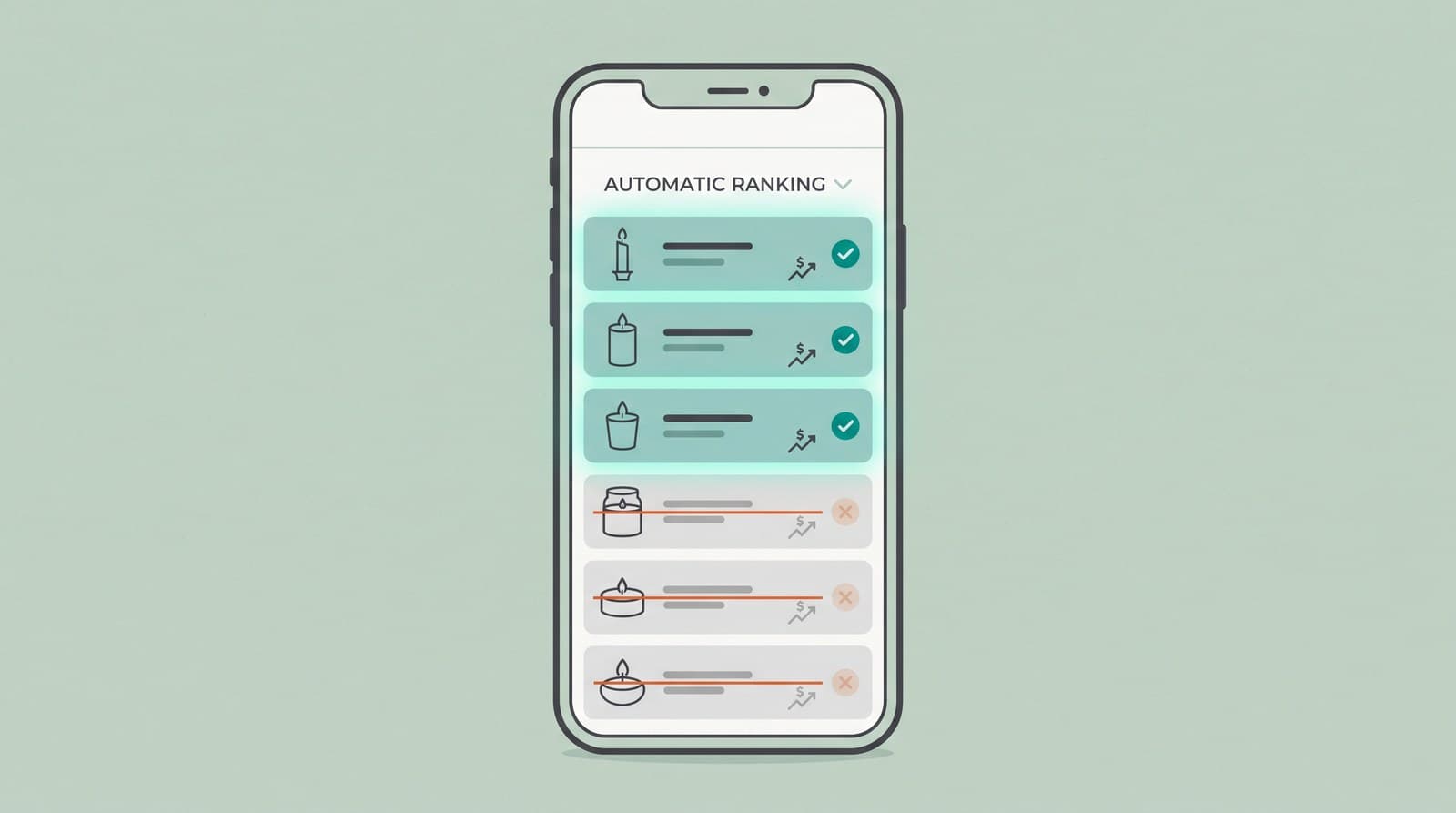
This matters more than it sounds, because deciding while exhausted is its own problem. People hit real decision fatigue after weighing more than 7 to 9 options, and a stressed brain makes worse choices the more decisions it faces. A pre-ranked list removes most of those decisions before crunch week even starts.
That's the core of what MyEventPrep does. Its prep sheet pulls your event history and sorts products by how they actually performed, so your one-week triage is mostly already done. You can see how the pieces fit together on the features page. When the list ranks itself, you spend your energy making, not agonizing.
Protect your week, not just your table
A crammed week doesn't only cost sleep. Overproduction is a known burnout driver for makers, often because the work feels endless and the joy quietly drains out. One handmade-business guide describes burnout as a slow fading where the work continues but the spark is gone. A 4-hour event isn't worth that.
So treat your time like inventory. It's finite, and it runs out. A few guardrails for the final stretch:
- Set a real stop time. Pick the hour you'll put tools down each night and keep it. Tomorrow's table won't notice the last 5 items.
- Pack as you finish. A bin system means done products leave your workspace and your worry list. Our craft fair packing checklist keeps that step from becoming its own panic.
- Leave the new idea for next time. Write it down, then close the notebook. It'll be a better product with a month of lead time anyway.
The goal isn't a perfect table. It's showing up rested with the things that sell, ready to actually enjoy the day.
The calm way to spend your last 7 days
Three things to carry into the week. First, a short ranked list beats a long hopeful one, so make your proven sellers before anything else. Second, sell-through is the fairest judge of what deserves your hours, not how close an item is to done. Third, cutting the slow and unproven stuff isn't failure, it's just good triage.
You don't need a marathon week. You need a clear order and the nerve to skip what doesn't sell. Let the numbers carry the hard calls so you can spend your energy making, then packing, then resting.
If you'd rather not rebuild that ranking by hand every season, MyEventPrep's prep sheet does it from your event history. You can sign up free and let next week's list sort itself. Calmer prep, fewer late nights, and a table full of the things people actually came to buy.
Frequently asked questions
How do I prepare for a craft fair in one week?
Rank your products by what sold best at past events, then make those first. Stock your proven sellers and quick low-cost items, and skip new or slow-moving designs. Made Urban recommends rating each task and product as high or low priority so your best sellers get the high slots.
What should I make if I don't have enough time before a craft fair?
Make your top 3 sellers first, then batch quick small items that cost little and sell fast. Items in the $5 to $25 range tend to sell the fastest, and most craft fair purchases are impulse buys. Leave untested new designs for a future show with proper lead time.
How do I know which products to cut?
Cut brand-new designs, slow sellers, and high-effort items with low returns. The clearest signal is a long build time paired with a low sell-through rate, which is units sold divided by units brought. Retailers use sell-through to predict demand and avoid overstock, and the same logic works at a craft table.
What is a good sell-through rate for craft fair products?
In retail, a consistent sell-through of 75% or higher is considered strong, though benchmarks vary by category. For a craft table, you don't need a perfect number. You just need to know which products sit near the top and which sit near the bottom, then make the top ones first.
How can I avoid burnout during a busy prep week?
Set a firm stop time each night, pack products as you finish them, and write down new ideas instead of acting on them. Overproduction is a known burnout driver for makers, so protecting your energy matters as much as stocking your table.