Selling at Farmers Markets vs. Craft Fairs: A Vendor's Honest Comparison

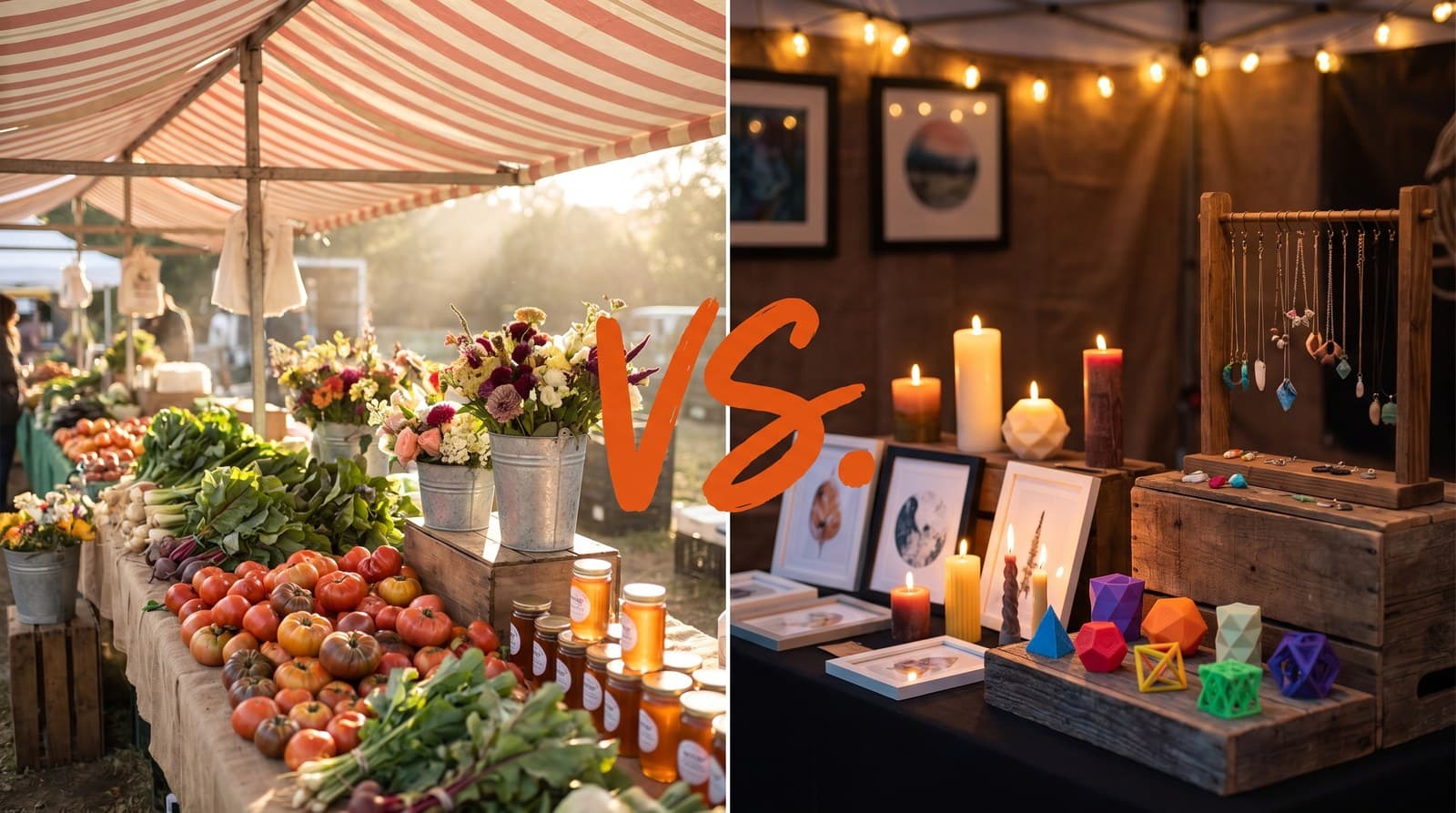
Most makers pick a venue based on whichever one a friend recommended, then wonder why sales feel uneven. Selling at farmers markets and selling at craft fairs can both work, but they ask different things from you and your products. One is a weekly rhythm with shoppers carrying tote bags. The other is an occasional event with people hunting for gifts.
We sell 3D-printed goods at craft fairs, so we know that side well. We haven't worked the farmers market circuit ourselves, so for that side we've leaned on vendors and research who have. (If you've already decided on markets, our full guide on how to sell at a farmers market covers the logistics.) This post is an even-handed look at both: who shows up, what it costs, what sells, how much time it eats, and how to figure out which one actually earns for you. There's no single right answer here. There's only the right answer for your product, your goals, and your calendar.
Who Shops at Farmers Markets vs. Craft Fairs?
Farmers market shoppers mostly come to buy food. They arrive with a loose grocery list and a tote bag. Craft fair shoppers come for the experience and tend to buy on impulse, often hunting for gifts. That single difference in intent shapes almost everything else about the two venues.
Markets pull a steady, local crowd week after week. On an average market day, about 916 households shop at each U.S. farmers market and spend roughly $14,547 in total, according to the Farmers Market Coalition. That foot traffic is reliable, but a lot of it walks straight past the non-food booths.
Craft fairs concentrate buyers who are already in a spending mood. As one vendor guide puts it, festival-goers come for the experience and buy on impulse while market shoppers come to restock the pantry. Farmers markets are also often held in smaller, more intimate settings with less foot traffic but less competition, so a strong booth can still stand out.
Booth Fees and Frequency at Farmers Markets vs. Craft Fairs
Farmers market booth fees tend to be lower per day but recur weekly. Craft fair fees run higher per event but happen a few times a season. So a market is many small bets, while a fair is a few bigger ones. Your total spend can land in a similar place either way.
Market stalls usually range from about $25 to $150 per day depending on location, size, and amenities, and we go deeper on those in farmers market booth fees. Craft fairs cover a much wider range. One 2026 pricing guide lists craft fair booths from $25 to $2,000 or more, with community markets at $25 to $100, standard fairs at $100 to $400, and juried shows reaching well past $700.
Here's a rough side-by-side to set expectations.
| Factor | Farmers Markets | Craft Fairs |
|---|---|---|
| Typical booth fee | $25 to $150 per day | $25 to $2,000+ per event |
| How often | Weekly, often a full season | A few times a season |
| Crowd | Steady, local, food-focused | Concentrated, gift-focused |
| Vendor commitment | Often season-long | Single event |
Before you commit either way, it helps to do the math on one event. Our free booth fee evaluator lets you compare a fee against the sales you'd realistically expect. A common rule of thumb among experienced sellers is the 3x rule: aim to gross at least 3 times your booth fee, which covers your costs with room left over.
Which Products Fit Which Venue?
Food, produce, and fresh goods fit farmers markets best, because that's what the crowd came for. Handmade, gift-ready, shelf-stable items fit craft fairs best, because shoppers are browsing for presents and treats. Many makers can sell at both, but usually one venue is the clear home base.
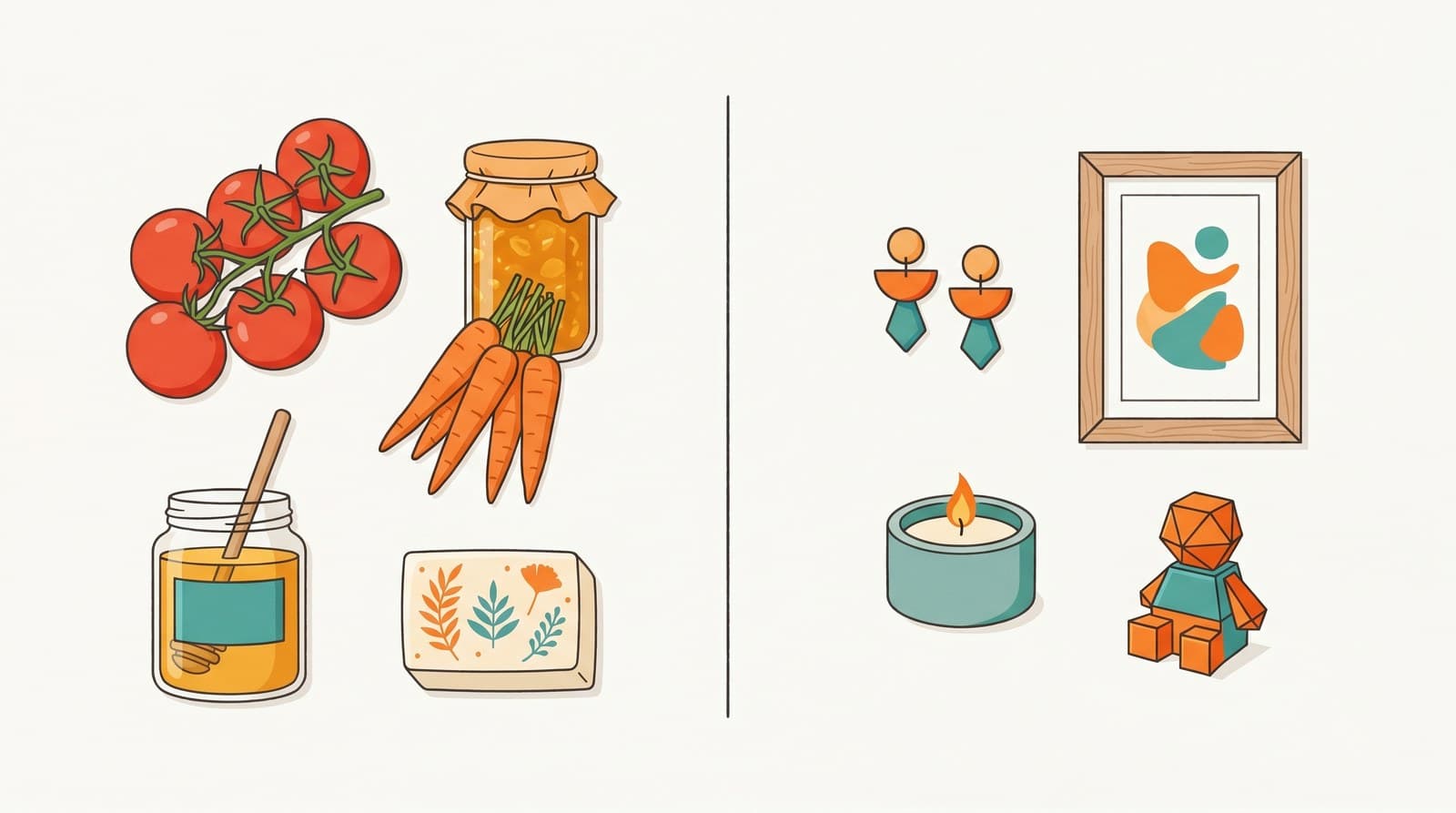
If your products lean farm-to-table, a farmers market is often the better fit. Think produce, eggs, baked goods, honey, jam, and cut flowers. Soaps, candles, and skincare also do well there because they read as everyday staples. For a fuller breakdown, see what to sell at a farmers market.
Craft fairs favor items that photograph well and wrap nicely as gifts. The gift context also softens price sensitivity. A buyer comparing your work to other gift options is less focused on price than someone restocking groceries. That's part of why we set our craft fair prices the way we do. If you're new to that, our guide to pricing for your first craft fair walks through it.
A few quick fits to keep in mind:
- Fresh and edible. Produce, baked goods, jams, honey. Strong at markets, trickier at fairs with food rules.
- Everyday handmade. Soap, candles, skincare. Work at both, lean market.
- Gift and decor. Jewelry, prints, ornaments, 3D-printed pieces. Strongest at craft fairs.
The Time and Schedule Tradeoff
This is where a lot of makers get surprised. The booth fee is only part of the cost. Your weekends are the other part, and the two venues spend them very differently.
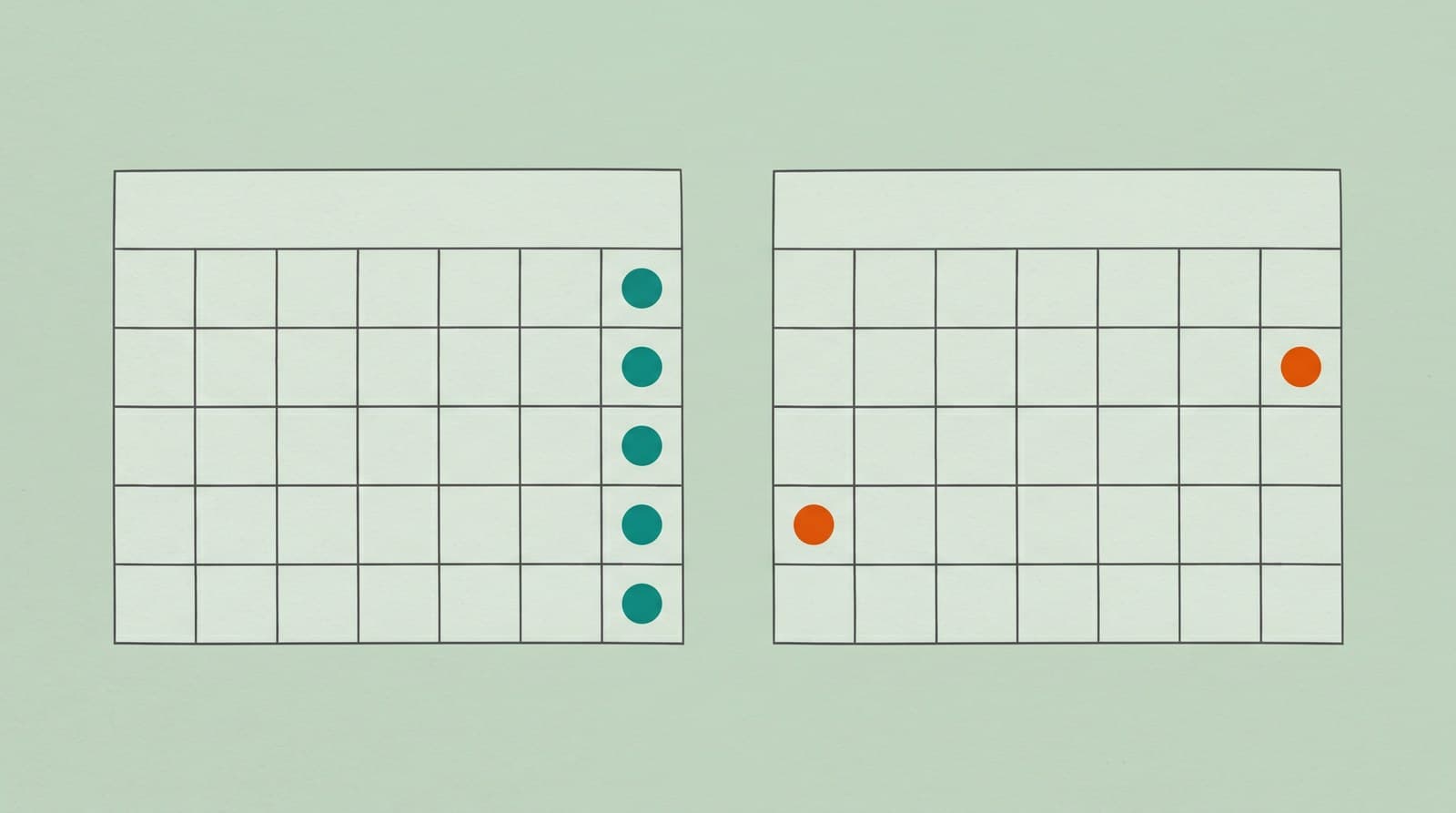
Farmers markets reward showing up every week. Weekly markets help customers build a shopping habit, which is great for repeat sales but means committing your Saturdays for a whole season. Markets also care a lot about timing, day of week, and season length, and many give preference to vendors who sign on for the full run.
Craft fairs ask for less ongoing commitment. One Saturday at a craft fair is less of a time investment than every Saturday at a market. You can do a single weekend event, then take a break to make more stock. The tradeoff is that you don't build the same week-after-week regulars.
There's also production load to weigh. A weekly market needs a steady restock pace, while an occasional fair needs one bigger build-up. Our post on how many of each product to make can help you plan that either way.
Which One Is More Profitable?
There's no universal winner. Profitability depends on your products, your prices, your local crowd, and which venue your specific items connect with. The only honest way to know is to track your own revenue by event type and compare. The venue that pays best for your neighbor may not be the one that pays best for you.
We learned this lesson on our own table. One product drew a crowd at every show and still barely sold, while a quieter item quietly paid for the day. The numbers made a call our gut couldn't, and we told that whole story in best-selling items at craft fairs. It's exactly the kind of decision that's easier when you can see each product and event side by side.
The same logic applies to choosing a venue. After 2 or 3 events at each, your sales records will tell you more than any blog post can. A few numbers worth watching:
- Revenue per hour. Total sales divided by hours worked, including setup and teardown.
- Sell-through rate. How much of what you brought actually sold.
- Repeat vs. new buyers. Markets often build regulars; fairs often bring strangers.
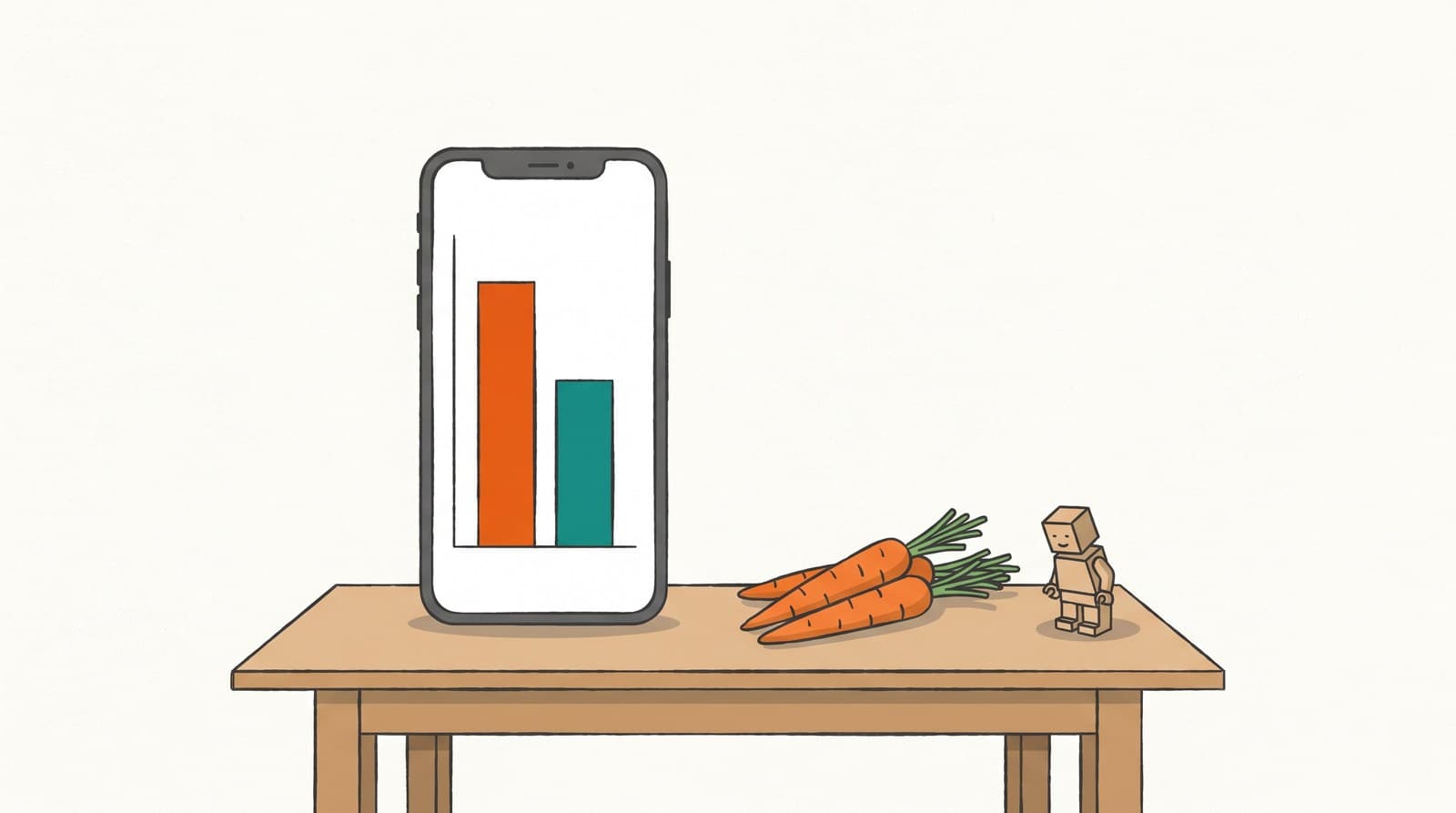
MyEventPrep records average revenue by event type for you, so "craft fair vs. farmers market" stops being a guess. Our deeper guide to tracking craft fair performance covers the metrics in plain language, and a quick post-event debrief keeps the habit from feeling like homework.
How to Decide Between a Farmers Market and a Craft Fair
Start with your product, then your schedule, then your data. If you sell food or fresh goods and can give up your Saturdays, a market is a natural home. If you make gift-friendly handmade items and prefer occasional events, craft fairs likely fit better. When you're genuinely torn, the tie-breaker is what your own sales records say after a few tries.
It also helps to scout before you commit. Reading the room ahead of time saves a wasted weekend. Our notes on finding craft fairs near you apply to vetting markets too. Ask current vendors how sales have been. Walk the event as a shopper first if you can.
And whichever you try first, pack lighter than your nerves want you to. We've all hauled 3 wagonloads of stock to a 4-hour event and brought most of it home again. Bringing the right amount, based on what sold last time, beats bringing everything.
Can You Do Both?
Yes, plenty of makers run both, and the two can feed each other. A weekly farmers market builds local regulars and a steady base, while occasional craft fairs reach fresh gift-buyers and let you test new items. The catch is time and stock, so most vendors anchor on one venue and add the other selectively rather than splitting effort evenly.
If you do mix venues, keep your records separate by event type. That's the only way to see which one actually carries its weight. You might find your market sales are smaller but more dependable, while your fair sales are lumpier but higher per day. Both can be worth doing. You just want to know which is which, so a slow week doesn't get blamed on the wrong venue. Our features overview shows how the tracking fits together if you want the bird's-eye view.
The Honest Bottom Line
Here's what tends to be true. Farmers markets reward consistency, food and fresh goods, and a steady weekly rhythm. Craft fairs reward gift-ready handmade items, occasional bigger events, and shoppers already in a buying mood. Neither is automatically better. The right choice depends on what you make and how you want to spend your weekends.
The good news is you don't have to decide in the dark. Try a couple of each, write down what sold, and let your own numbers settle the debate. That's the whole idea behind MyEventPrep, which tracks your revenue by event type so the comparison is real instead of a hunch.
Want to stop guessing which venue earns for you? Sign up free at MyEventPrep and start tracking your next event today.
Frequently Asked Questions
Is it cheaper to sell at a farmers market or a craft fair?
Per day, farmers markets are usually cheaper, with booth fees around $25 to $150. Craft fairs cost more per event but happen less often, ranging from $25 to $2,000 or more. Because markets recur weekly, your total seasonal spend can end up similar either way.
Can I sell handmade crafts at a farmers market?
Often yes, especially at markets that welcome a broad vendor mix or run holiday editions. Just know the crowd comes mainly for food, so foot traffic past craft booths can be lighter. Everyday handmade items like soap, candles, and skincare tend to do better there than pure decor.
Do craft fairs or farmers markets have more foot traffic?
Farmers markets usually draw steady weekly crowds, with roughly 916 households per market on an average day. Craft fairs may have fewer total visitors, but a higher share of them arrive ready to buy gifts. More traffic doesn't always mean more sales for your specific products.
Which is more profitable for vendors, farmers markets or craft fairs?
It depends on your products, prices, and local crowd. There's no universal winner, so the reliable answer is to track your own revenue by event type after a few events at each. A tool like MyEventPrep records average revenue per event type so you can compare them directly.
How do I decide between a farmers market and a craft fair?
Start with product fit: food and fresh goods suit markets, gift-ready handmade items suit fairs. Then weigh your schedule, since markets want weekly commitment and fairs are occasional. When you're unsure, run the booth fee against expected sales and let your own results break the tie.