What Selling at 10 Events Taught Me That One Event Couldn't

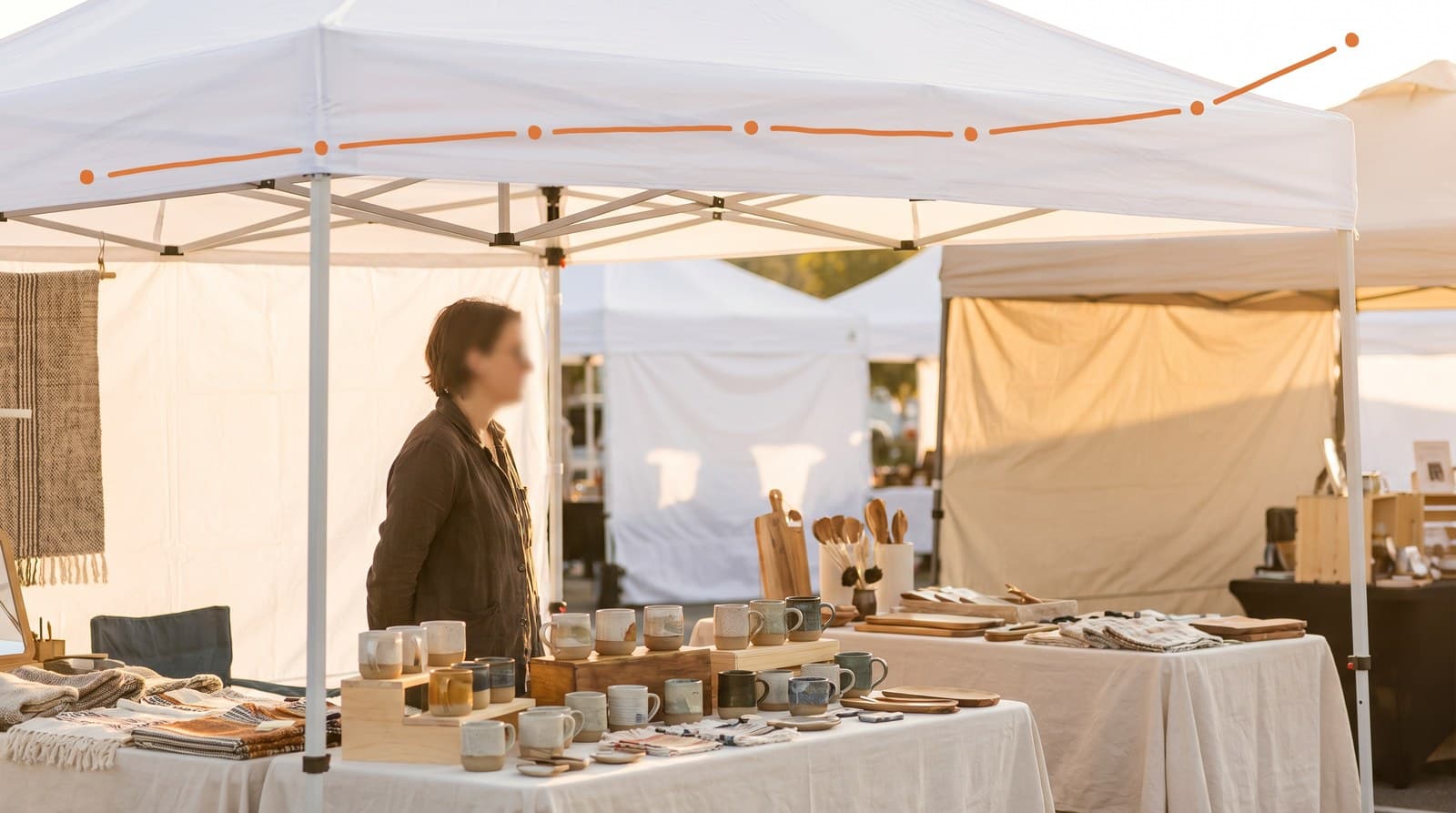
We came home from our first market sure we had learned something big. One item flew off the table, so we made more of it. Another sat untouched, so we wrote it off. Both calls turned out to be wrong, and we did not find out for months.
That is the trap with a single event. A craft fair is a noisy place to learn anything. The weather shifts, the crowd is different, your booth spot moves, and the vendor next to you might pull half the foot traffic. Any one of those can make a great product look like a dud, or a slow seller look like a star.
Selling at 10 events taught us what one event never could. Real patterns live across repeated days, not inside a single one. This is the idea the whole MyEventPrep approach is built on. Each event you log makes the next prep sheet smarter and the next go/no-go call more honest. Here is what changed once we stopped trusting one good day.
Why Can't One Craft Fair Teach You Much?
One craft fair can't teach you much because a single day is mostly noise. Sales depend on weather, foot traffic, your booth spot, and luck, and all of those swing wildly from event to event. A small sample of one is too unstable to trust. You need repeated days before any real signal shows up.
Think about what changes between two fairs. An outdoor market carries weather risk and heavier logistics, while an indoor one does not. A smaller show usually means less foot traffic and smaller sales. Your spot near the entrance one week becomes a back corner the next. None of that has anything to do with your products.
Statisticians have a name for this problem. With a small sample, results can swing widely, and low power undermines how reliable any single finding is. A few good or bad breaks can flip the whole picture. So when one item sells out at one fair, that is not proof. It is one data point wearing a costume.
We learned this the hard way with a crowd-pleaser that drew compliments all day and still barely sold, a story we unpack in our post on what actually sells at craft fairs. One day told us the opposite of the truth.
What Changes When You String Events Together?
When you string events together, the noise starts to cancel out and the real signal appears. A product that sells well across 5 different fairs is probably a genuine winner, not a lucky break. Repeated events give you a bigger sample, and bigger samples reveal patterns you can actually trust.
This is just the law of large numbers doing its quiet work. As you gather more results, the average moves closer to the true outcome and away from random chance. One coin flip tells you nothing. A hundred tells you the coin is fair. Your events work the same way.
Across a string of fairs, the weird days lose their power. A rainout, a dead Sunday, a freak rush at 2 p.m., each one matters less when it sits inside a stack of other days. What is left is the steady stuff: the products that keep selling, the price points people keep saying yes to, the event types that keep paying.
That shift is the whole point. Sales tracking lets you spot trends and patterns you can plan around, instead of reacting to whatever just happened. Ten events do not just give you more numbers. They give you better ones.
The Patterns That Only Show Up Across Events
Some lessons are invisible at a single fair and obvious across ten. Once you have a handful of events logged, a few clear patterns tend to surface. None of them would be trustworthy from one day alone.
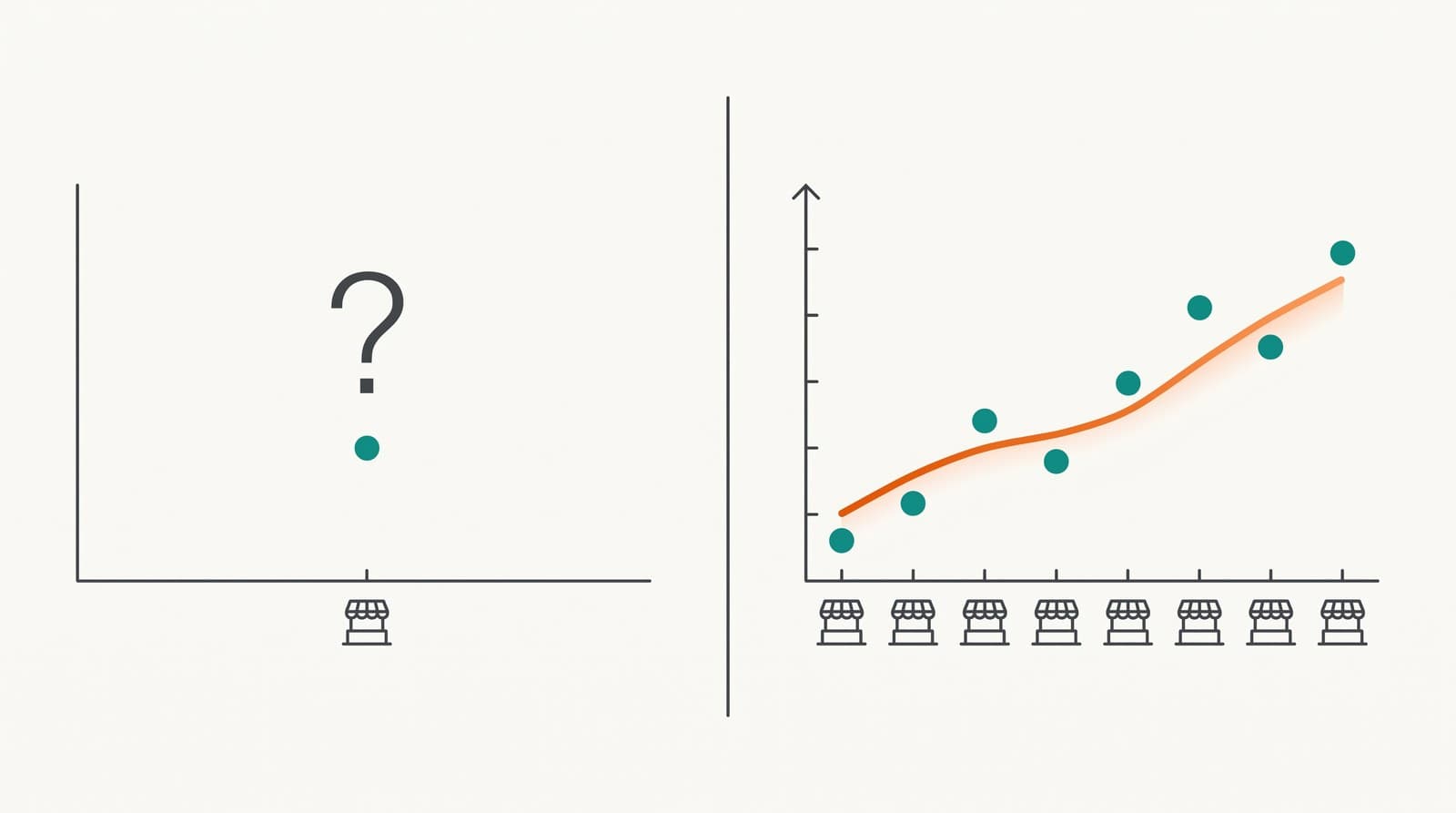
- Your real best sellers. A product that ranks near the top at most of your events is a true winner. One that wins once and disappears was probably noise. You can only tell the difference with repeated data.
- Which event types pay. Craft fairs and farmers markets attract different crowds and different spending. After several of each, you can see which one fits your products.
- What to actually bring. Repeated sell-through tells you how much of each item is enough, so you stop hauling three wagons for a 4-hour day. Our guide to how many of each product to make runs on exactly this kind of history.
- The time-sink products. Some items sell fine but eat so many hours to make that they are not worth the table space. We had one of those, and the math only became clear over time, which is the story behind our break-even post.
- Your honest event roster. After several visits, you can see which fairs consistently earn their booth fee and which ones never do.
Why Isn't Your Memory Enough?
Your memory isn't enough because the brain quietly rewrites what happened. We overweight the most recent event, forget the boring middle days, and remember the moments that fit what we already believed. Memory feels like data, but it is closer to a highlight reel. A simple written log beats it every time.
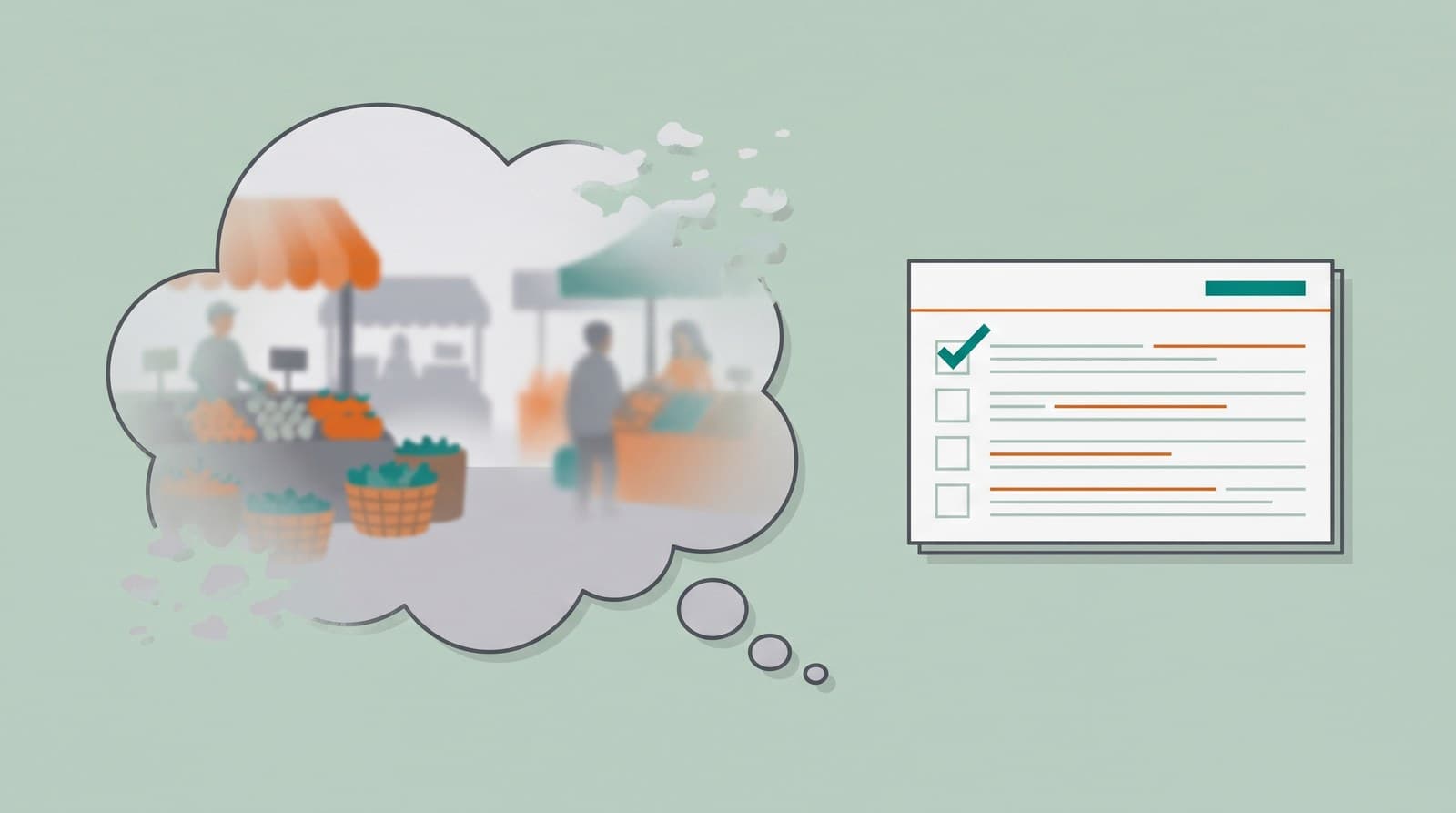
Two biases work against you here. The first is recency bias, where people lean too hard on the most recent thing they saw and let it color the whole picture. One great last market can make you overstock for the next one. One bad one can make you quit a fair that usually pays.
The second is memory bias, our habit of recalling the past in a way that confirms what we already think. If we decided an item was a winner early, we remember the sales that prove it and forget the ones that do not.
This is why a record beats a recollection. People who keep a decision journal find that writing things down before the outcome protects them from rewriting the story later. For a vendor, the event log is that journal. It is the one version of last season your future self cannot argue with.
How Each Event Makes the Next One Smarter
Here is the part that compounds. When you log an event, you are not just recording history. You are building the input for your next prep sheet. Each day you capture makes the following one a little less of a guess.
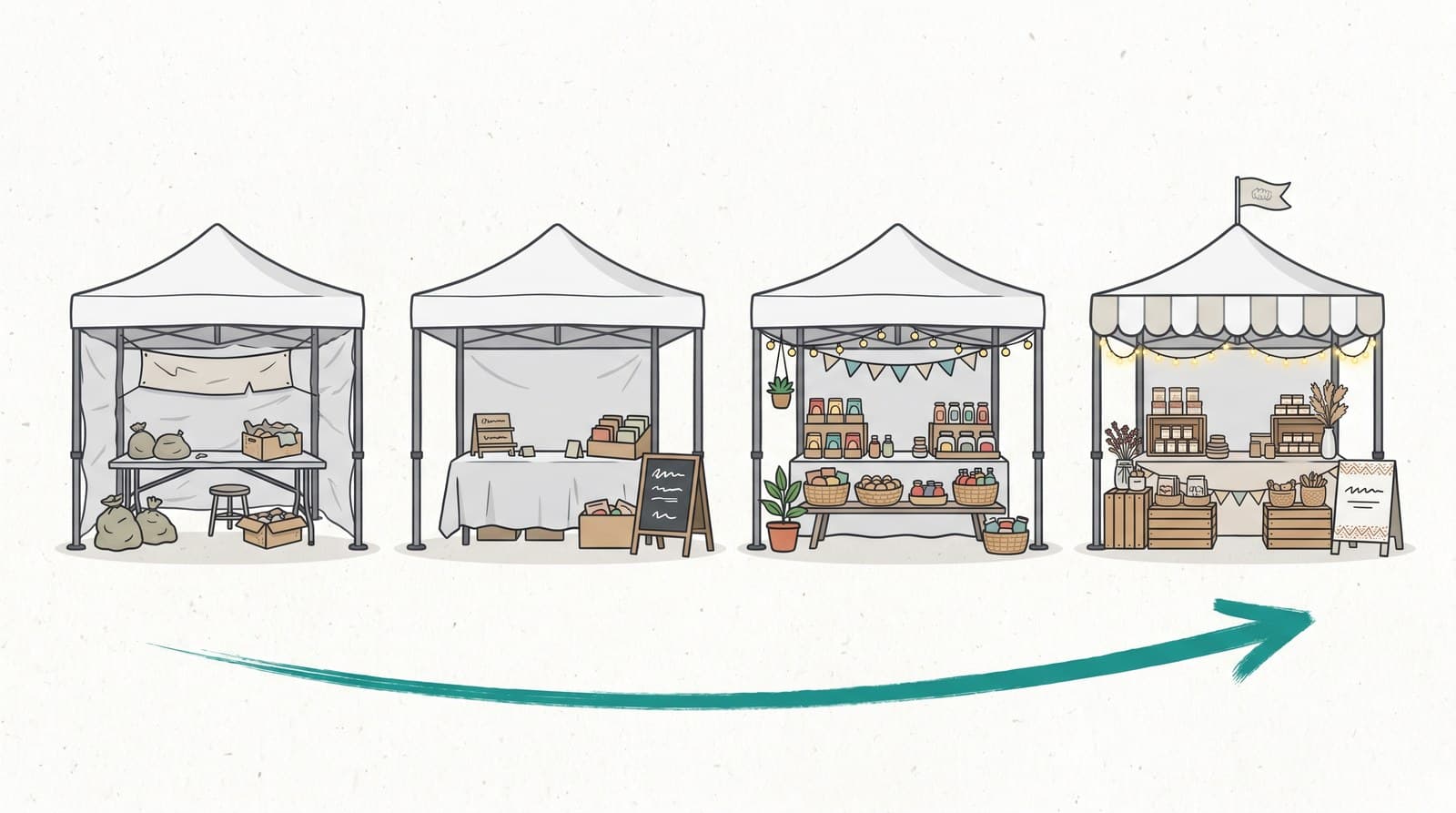
The loop is small and repeatable:
- Log what sold. Note which products moved, how many, and at what price. Quick is fine. The point is to capture it before you forget.
- Run a short debrief. A few honest notes about the day take five minutes and save you from relearning the same lesson. We built a 5-minute post-event debrief for exactly this.
- Let it shape the next pack-out. Your next prep sheet starts from real history instead of a blank page and a hopeful mood.
If you already run sales through Square, you have a head start, because that history can feed straight into planning your next market. You can even drop a Square CSV into our free Square insights tool and see per-event patterns without setting anything up.
The beauty of the loop is that it asks almost nothing of you on a busy event day. You record a little, and the system does the remembering. By the tenth event, your prep sheet is not a guess at all. It is a quiet summary of everything the first nine taught you.
Making the Go or No-Go Call Honestly
An honest go or no-go call comes from a record, not a feeling. Before you rebook a fair, look at how it actually performed across every time you sold there. If it consistently earns its booth fee, go back. If it never does, the warm memory of one good year is not a reason to return.
This is where a single event lies to you most. A smaller show often means lower foot traffic and smaller sales, but one lucky day there can trick you into rebooking for years. Repeated data cuts through that. It shows you the average, not the outlier.
The honest version of the question is not "did I have fun there." It is "does this event tend to pay." Those are different, and only your log can tell them apart. We walk through the full decision in should you do that craft fair again.
None of this means trusting a spreadsheet over your gut. It means giving your gut better information. After 10 events, the call gets easier, because you are deciding from a pattern instead of a hope.
The Tenth Event Is Smarter Than the First
A single craft fair is a story. Ten craft fairs are data. The first one is full of noise you cannot read yet, and that is fine, because it is the start of a record, not the verdict.
The takeaways are small and steady:
- One event is mostly noise, so do not bet the next season on it.
- Patterns in sales, event types, and pack-outs only show up across repeated days.
- Your memory rewrites the past, so a quick log beats a confident recollection.
The good news is that the work is light. Log each event, run a fast debrief, and let the next prep sheet start from what really happened. That is the whole idea behind MyEventPrep, and you can sign up free to start building your own record. The first event will not tell you much. The tenth one will tell you plenty.
Frequently Asked Questions
How many events do I need before the data is useful?
There is no magic number, but patterns usually start to firm up after 5 or more events of the same type. The more days you log, the closer your averages get to the truth, because larger samples reflect real outcomes better than small ones. Even 3 events beat relying on memory from one.
Why did my best product flop at one fair?
Probably the day, not the product. Sales swing with weather, crowd size, and your booth spot, and an outdoor market in particular adds weather risk that has nothing to do with what you made. Check how that item does across several events before you judge it.
Can't I just remember what sold without logging it?
Memory is a weak record. We tend to overweight the most recent event and recall the past in ways that confirm what we already believed. A quick written log gives you an honest version of the season your memory cannot rewrite.
What should I track after each event?
Keep it light: which products sold, how many, at what price, plus a few notes on the day. That short habit is enough to spot trends you can plan around. A 5-minute debrief covers most of it.
How do I decide whether to do a fair again?
Look at how it performed every time you sold there, not just your favorite year. If it reliably earns its booth fee, rebook it. If it does not, one good memory is not enough reason to return. Our should you do that craft fair again post walks through it.