Craft Fair Red Flags: How to Tell a Bad Market From a Good One Before You Apply

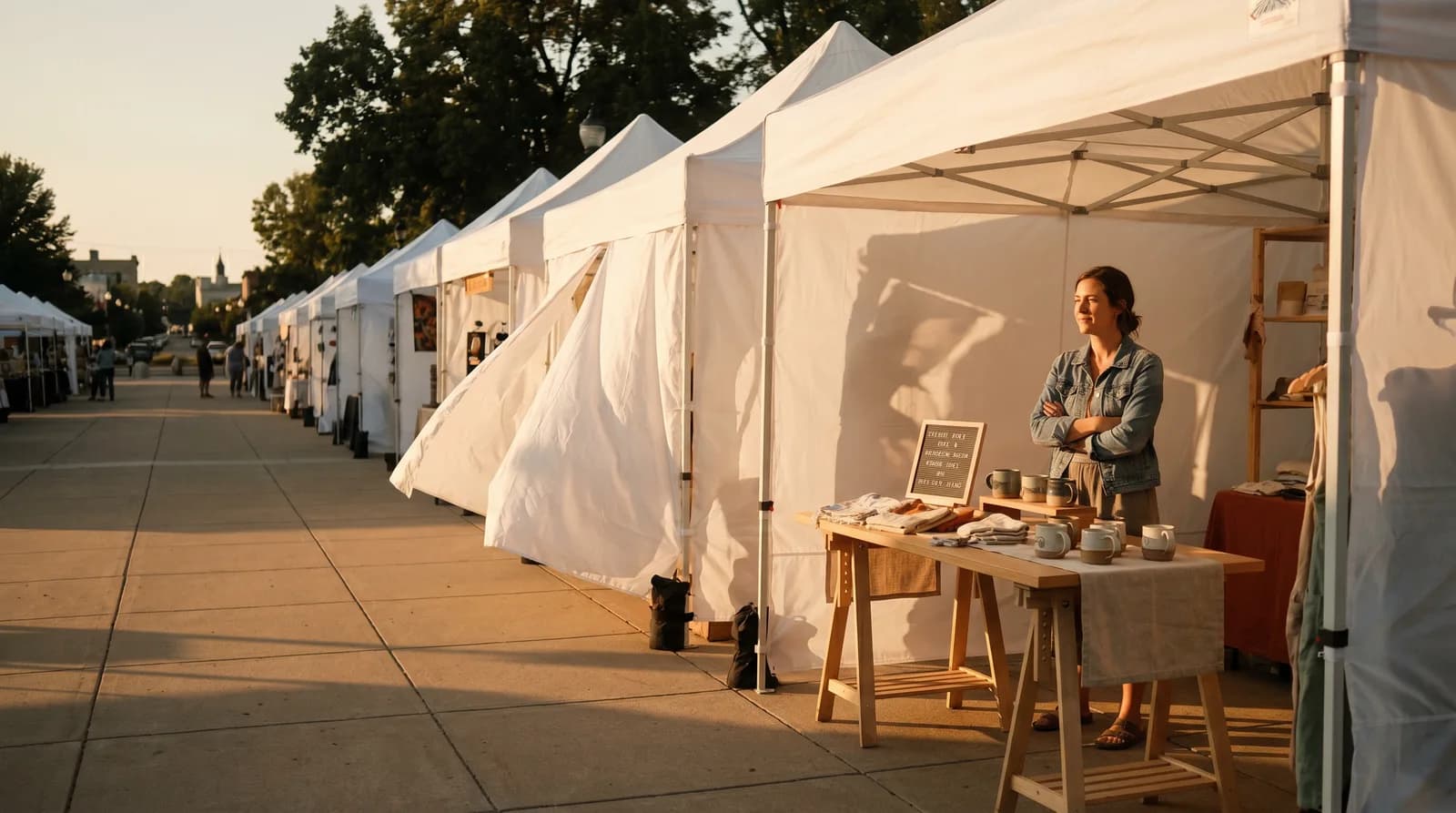
You're standing in the wind, behind a booth that took 90 minutes to set up, watching 3 people walk by in 2 hours. You've already paid the booth fee, eaten the load-in fees, and the math on this Saturday is not looking great.
We've all had that market. The frustrating part isn't usually that the event was bad. It's that the signs were there, and we ignored them.
Most craft fair red flags show up in the application process, on the organizer's social media, in the questions they don't ask, and in the fee structure they hand you. None of it is hidden. It just gets easy to miss when a market sounds promising and your calendar has an open weekend.
This is a list of the patterns worth watching for, grouped by where they tend to surface. A few are real scam signals. Most are just signs that the event is poorly run, which can cost a vendor just as much in lost time and lost inventory. None of this requires a sixth sense. It just requires looking before you click Apply.
How can you tell if a craft fair is worth your time before you apply?
A craft fair is usually worth applying to when the organizer has a real promotional presence, communicates clearly with vendors, curates the vendor mix, charges fees that match the event's track record, runs the event at an accessible venue, and never asks for payment through a peer-to-peer app like Venmo or Zelle. If 3 or more of those are missing, it's worth a pause.
That's the short version. The longer one is below, grouped by where each red flag tends to show up.
The reason this matters: a SmartAsset analysis of craft fair economics found that many vendors end up with very little profit, or even a loss, once booth fees, gas, materials, and time are accounted for. Picking the wrong event isn't a small mistake. It's a weekend, plus inventory, plus whatever else you weren't doing.
Red flags in how the event is marketed
This is usually where the first signals show up, and they're public. Anyone can look.
- AI-generated promotional graphics doing all the work. Generic posters with no actual vendor names, no real photos, and the same vague hype copy. Strong events feature their vendors.
- A social account with a follower count but no engagement. 4,000 followers and 3 likes per post is a quieter signal than "no following at all." It usually means the audience isn't local, isn't real, or isn't paying attention.
- No promotional posts naming the actual vendor lineup. If the organizer isn't telling people who's going to be there, attendees aren't being given a reason to come.
- Cold DMs and "we'd love to have you!" emails. When an event is chasing vendors hard, the application pool is thin, and that usually means past vendors didn't come back.
- No physical promotion near the venue. No flyers, no A-frames, no street signage. Assume foot traffic from people passing by will be zero.
If you want a fuller process for evaluating where to spend your weekends, our guide to finding craft fairs near you covers what to check first.
What does poor communication from an organizer actually look like?
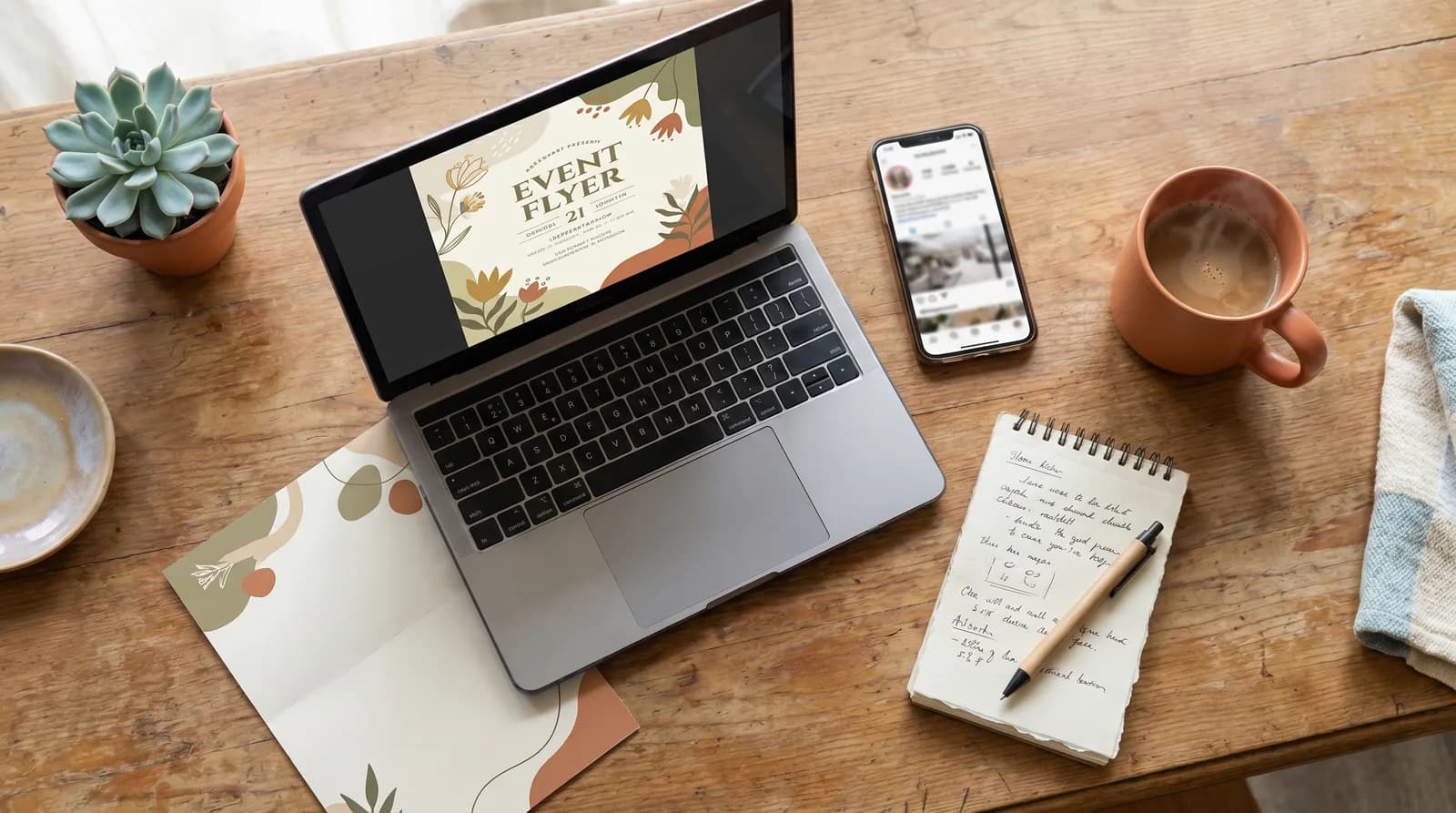
Poor communication usually looks like slow replies to direct questions, vague answers about logistics (load-in time, booth size, power access), no vendor briefing in the week before the event, and complete radio silence in the 72 hours before load-in. It's the most common complaint vendors have about bad markets, and it's almost always a leading indicator.
Most legitimate organizers respond within a day or two. They have a load-in document. They send a reminder email the week of. They tell you whether tables and chairs are included, because they know that question is coming.
Try this: send one direct question, like "Will my booth have access to power, and is there an extra fee?" If it takes a week to get back to you, the rest of the event will feel the same way.
Red flags in how vendors are curated
The application itself tells you a lot.
- The form doesn't ask what you make or sell. This is the clearest sign that the organizer isn't curating. They want booth fees, not a balanced market.
- The vendor mix includes MLM reps, mass-imported resellers, and AI-generated art alongside handmade. Not a moral judgment. It just means the organizer isn't sorting for the kind of market that draws handmade buyers, and the foot traffic will reflect that.
- No theme, no anchor, no through-line. A general "vendors wanted" market without a focus tends to draw a general crowd without buying intent.
- Vendors pick their own spaces, or get placed at random. Layout affects flow, and flow affects sales. If nobody is thinking about it, nobody benefits from it.
- No repeat vendors year over year. A high churn rate is a quiet tell. People don't come back when an event didn't earn back the booth fee.
Are high booth fees always a red flag?
High booth fees aren't always a red flag, but they're a red flag when the event has no track record to justify them. A $300 booth fee at a 10-year-running event with strong attendance is reasonable. A $300 booth fee at a first-time market with a vague Instagram presence is a gamble. The common "7x rule" in maker circles says you should aim to sell about 7 times your booth fee for an event to be worth it, which gives you a useful benchmark either way.
The other side of this is that fees don't always include the basics. Made Urban's breakdown of the real costs of selling at craft fairs is a good reminder that power, Wi-Fi, tables, chairs, and load-in help often cost extra. Some events charge separately for a second person at your booth. Ask before you commit. If you're newer to event pricing, our post on pricing for your first craft fair covers the math.
There's also a reverse signal worth knowing: a suspiciously low booth fee at a prime venue can be a scam pattern. More on that below.
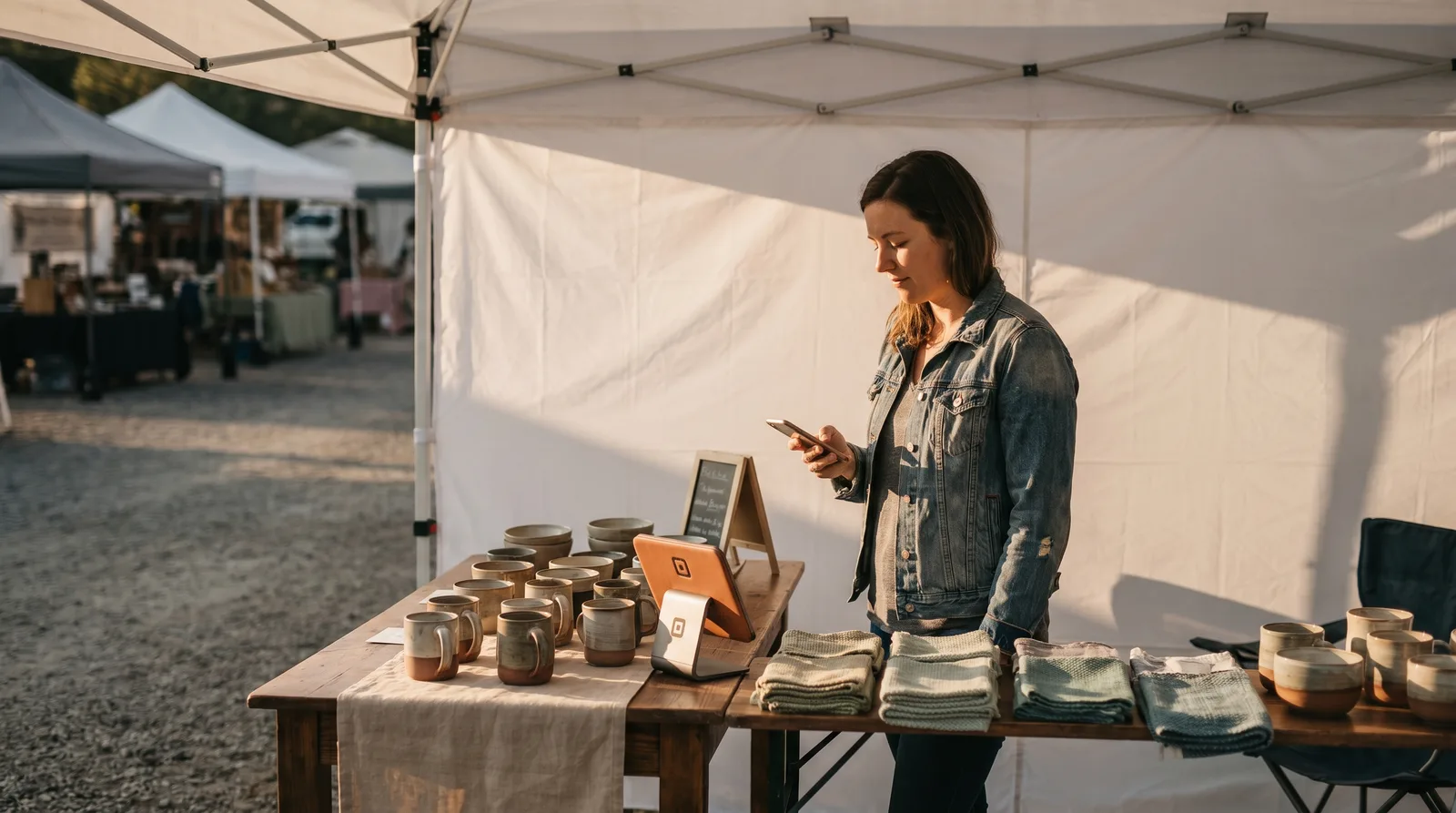
If you want to model out whether a fee makes sense for your numbers, our booth fee evaluator tool does the math.
How do you spot an actual craft fair scam?
A real craft fair scam usually looks like this: a new Facebook page, ads or DMs recruiting vendors, a vague event description, payment requested through Venmo, Zelle, or PayPal friends-and-family, and an email address that doesn't match the venue or the organizer's name. The Better Business Bureau has issued repeated scam alerts about these patterns, and they're getting more common.
The specifics are worth knowing. According to Malwarebytes' reporting on Facebook craft fair scams, the fraud tends to follow a script: scammers create new Facebook accounts (often with reused names across multiple profiles), promote a fake event, collect applications and booth fees, and then either ghost completely or claim the payment didn't go through and ask for a second one.
The signals to watch for:
- Payment via Venmo, Zelle, or PayPal "friends and family"
- A personal email address that doesn't match the event page or venue
- The venue can't confirm the event is happening (call them and ask)
- The event page was created in the last few weeks
- Photos on the page are reused from unrelated markets
- No business email, no phone number, no office address
A 2025 KY3 News report noted that scammers are actively targeting craft fair vendors, and that legitimate organizers don't usually ask for payment until vendors have been accepted. If anyone is pressuring you to pay fast through a peer-to-peer app, slow down.
What should you do in 5 minutes before applying to a craft fair?
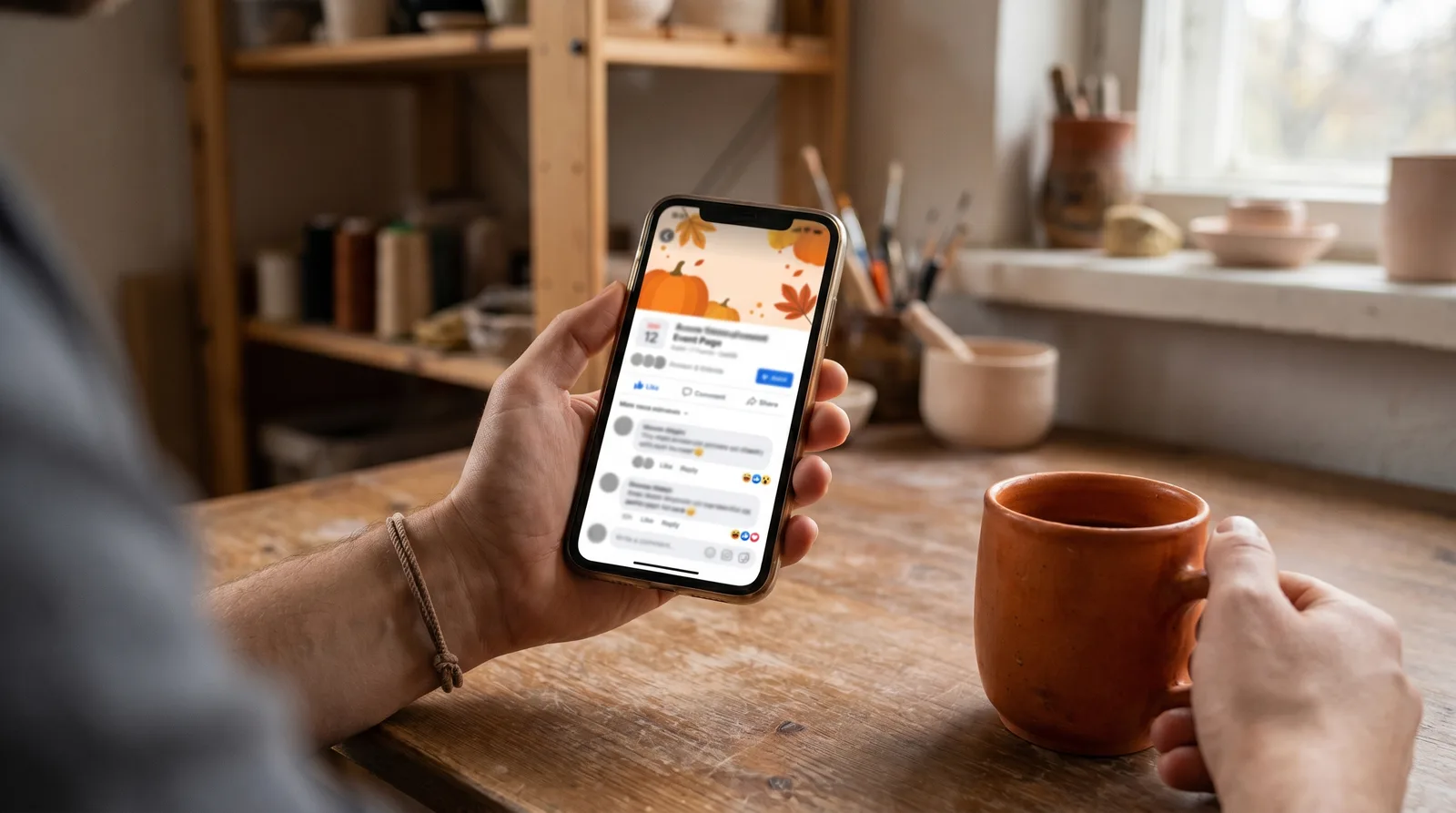
A simple pre-application routine handles most of this in about 5 minutes. Confirm the date with the venue staff directly, find 2 vendors from a past event and ask if it was worth it, read the application to see whether it asks what you sell, look for promotional posts that name actual vendors, and send one direct question to the organizer to time the reply. If 3 or more pieces feel off, save the booth fee for a better event.
Step by step:
- Search the venue and call or email to confirm the event date
- Find 2 vendors from the organizer's tagged photos and DM them: "Was it worth it?"
- Read the application carefully and check if it asks about your work
- Look for promotional posts that name vendors, not just generic graphics
- Send one direct question to the organizer and time the reply
If it all checks out, apply. If it doesn't, the booth fee is better spent on an event you'll actually want to look back on.
Even a legit event can flop
A short story, because none of this is a rulebook.
We almost passed on a first-time market a while back. The organizer was new with no track record, and when we called the venue to confirm the date, the event wasn't on their calendar yet. Two of the bigger things on this list, in the same application.
Instead of bailing, we sent a few direct questions. The organizer replied within a day, with specifics. The venue updated its calendar a few days later. Promotional posts started rolling out, naming vendors, with real engagement. By every test we'd built, the event was legit.
We applied. Paid the booth fee. A few weeks later, the event was cancelled for lack of vendors.
The lesson wasn't "the organizer was a scam." They weren't. They refunded every booth fee and have since gone on to run other events with real success. The lesson was that legit isn't the same as successful, and a thin application pool tells its own story. The other vendors who never applied were probably reading the same signals we initially had, and they'd already moved on.
Which is also the bigger reason the most useful filter, after enough markets, isn't a checklist. The vetting works for what it's designed to do (sort legit from scam), but it can't predict whether 30 other vendors will reach the same conclusion you did. That part you only learn from the data on which events have actually worked for you. A 5-minute post-event debrief after each market gives you a track record that beats anyone else's recommendation, including ours.
Stop relying on a feeling
The best defense against a bad event isn't a longer red flag list. It's knowing what your past markets have actually paid back. The events that look promising and the events that produce sales aren't always the same set, and the gap is where most vendors lose money.
If you want a calmer way to figure out which markets are worth your Saturday, MyEventPrep connects to Square, remembers what sold at each event, and helps you track which craft fairs are actually performing. Fewer guessing games. A much shorter list of events worth applying to.
Sign up free at MyEventPrep and stop relying on a feeling.
Frequently Asked Questions
Are craft fair scams common?
Yes. The Better Business Bureau has issued multiple scam alerts since 2022, and recent reporting has flagged Facebook-based scams targeting local vendors. The most common pattern is fake event pages that collect booth fees through peer-to-peer payment apps and then disappear.
What's a reasonable booth fee for a first-time craft fair?
Booth fees vary widely, from around $25 for a small local table to a few hundred dollars for a 10x10 spot at a larger event, per SEEN Markets' 2025 pricing guide. For an unproven event, anything above $200 deserves scrutiny. The "7x rule" (aim to sell 7 times your booth fee) is a useful benchmark for whether the fee makes sense.
How do I know if a craft fair is legit before paying?
Call the venue directly and confirm the date. Look up the organizer's past events and check for tagged photos. Find 2 former vendors and ask whether it was worth it. If payment is requested through Venmo, Zelle, or PayPal friends-and-family, treat that as a major red flag and walk away.
What questions should I ask an event organizer before applying?
At minimum: what's included in the booth fee (tables, chairs, power, Wi-Fi), what attendance has looked like at past events, how the event is being promoted, what the vendor mix looks like, and what the load-in process is. How fast they reply matters as much as what they say.
Should I pay a booth fee with Venmo or Zelle?
No. Legitimate organizers use invoices, checks, or business payment processors. Venmo, Zelle, and PayPal friends-and-family transfers are the most common payment methods used in documented craft fair scams, according to BBB alerts.